Aging Out of Stairs:
Ethnographic Research Into The Future of Stairlifts
OVERVIEW
This project dives into an ethnographic research effort aimed to develop accessibility solutions for residents of historic homes (built before the 1950s) in Metro Atlanta. Through needfinding with users and understanding user groups through observational & user research, we developed design strategies that projects future user accessibility needs.
Tags
Timeline
Tools
Team
Qualtrics
N. Tonangi, Researcher
Prolific
Figma
M. Agunias, Researcher
Q. Wei, Researcher
UX Research
Design Strategy
Moderated Interviews
Contextual Inquiry
3 months
RESEARCH
First, [Frame it]
Market Research
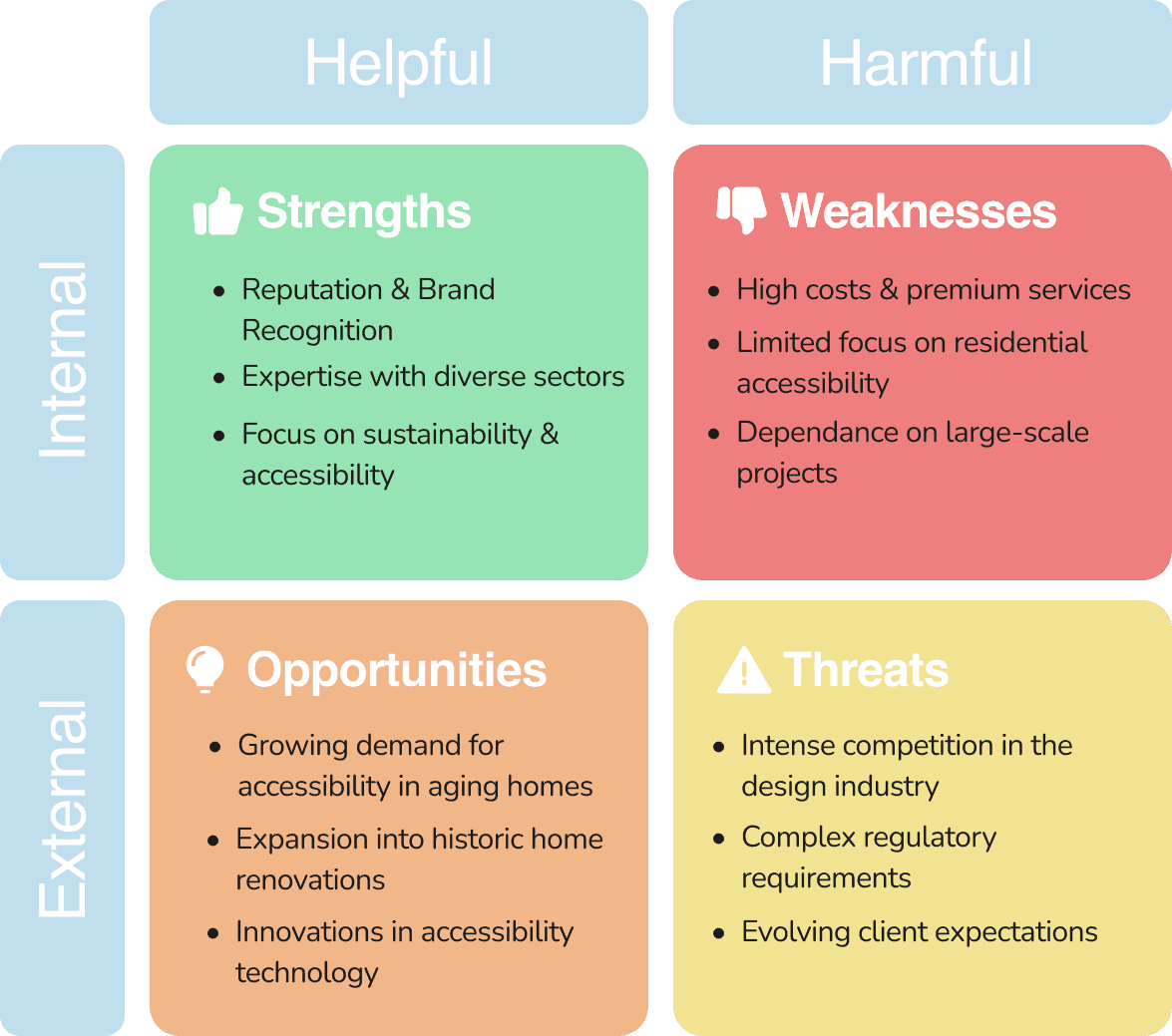
To inform our team of current industry trends, market placement, and competitors, we initially conducted market research on Cooper Carry and the stairlift industry. We gathered actionable insights through structuring findings in the SWOT, Porter's Five Forces, and PESTEL frameworks. Following the research, we were able to compare findings across scales to consider insights that affect stakeholders at different levels.



RESEARCH
Custom-er Reviews
Surveys & Personas
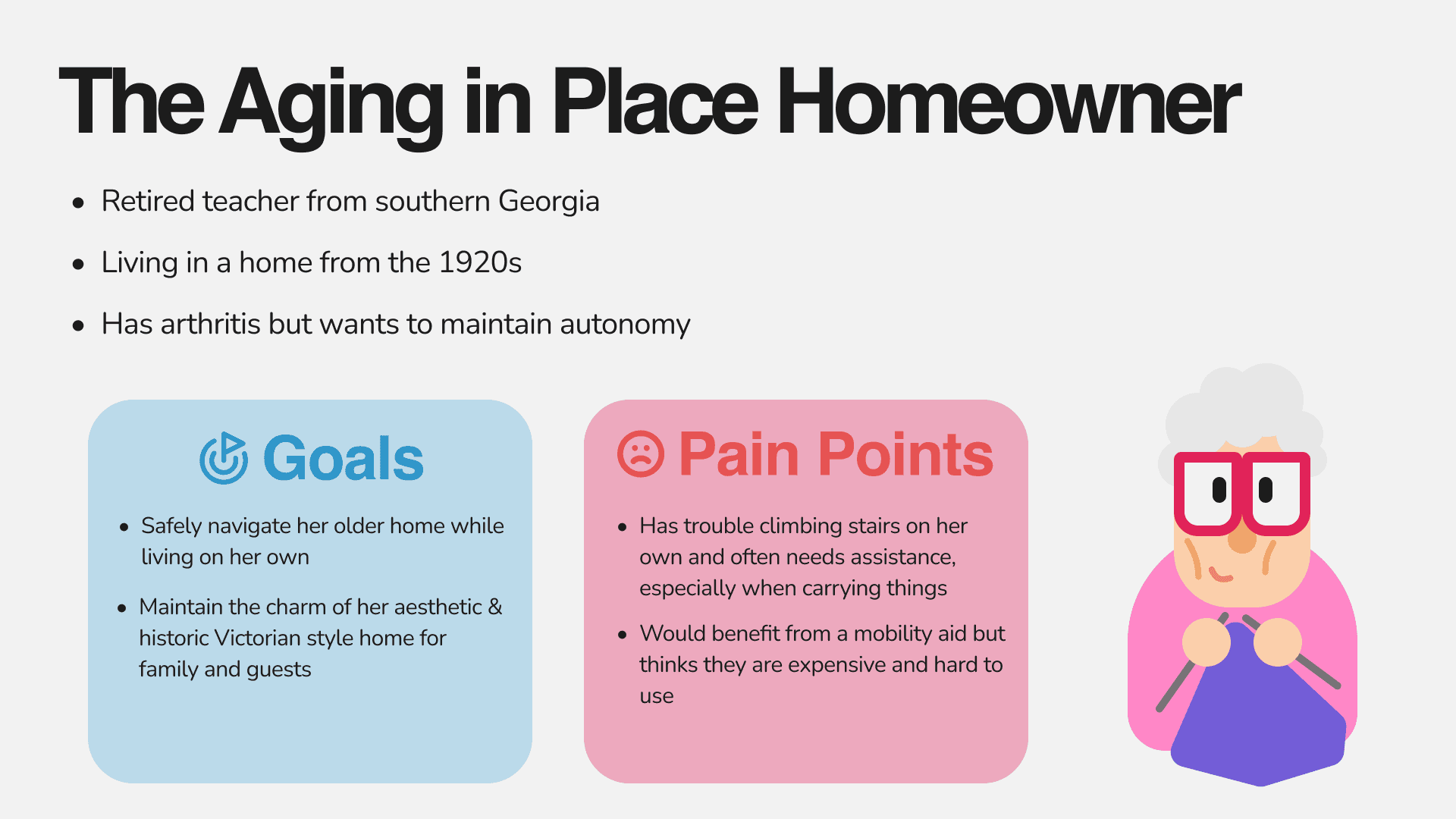
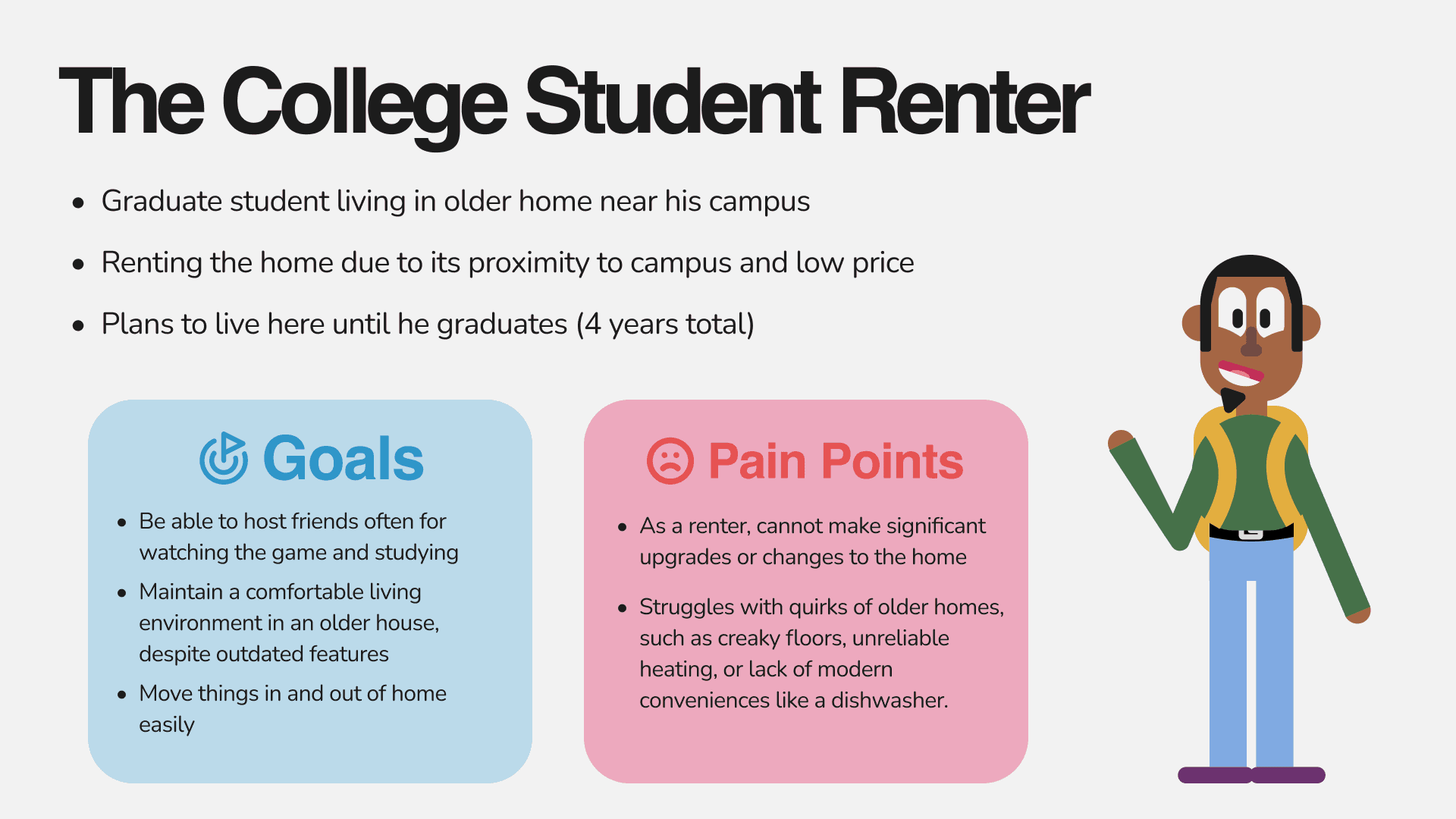
Following this, we took the insights we gathered and developed them into a Qualtrics survey that we targeted at individuals who reside in historical homes through Prolific. It prompted them to identify experiences, preferences, and wants for accessibility needs in their home, as well as rank factors associated with the proposed "stairlift solution". We utilized user demographic information to then create personas that represent the user groups we aimed to interview for further insight testing.
RESEARCH
Meet Users Where They Are
Moderated Interviews
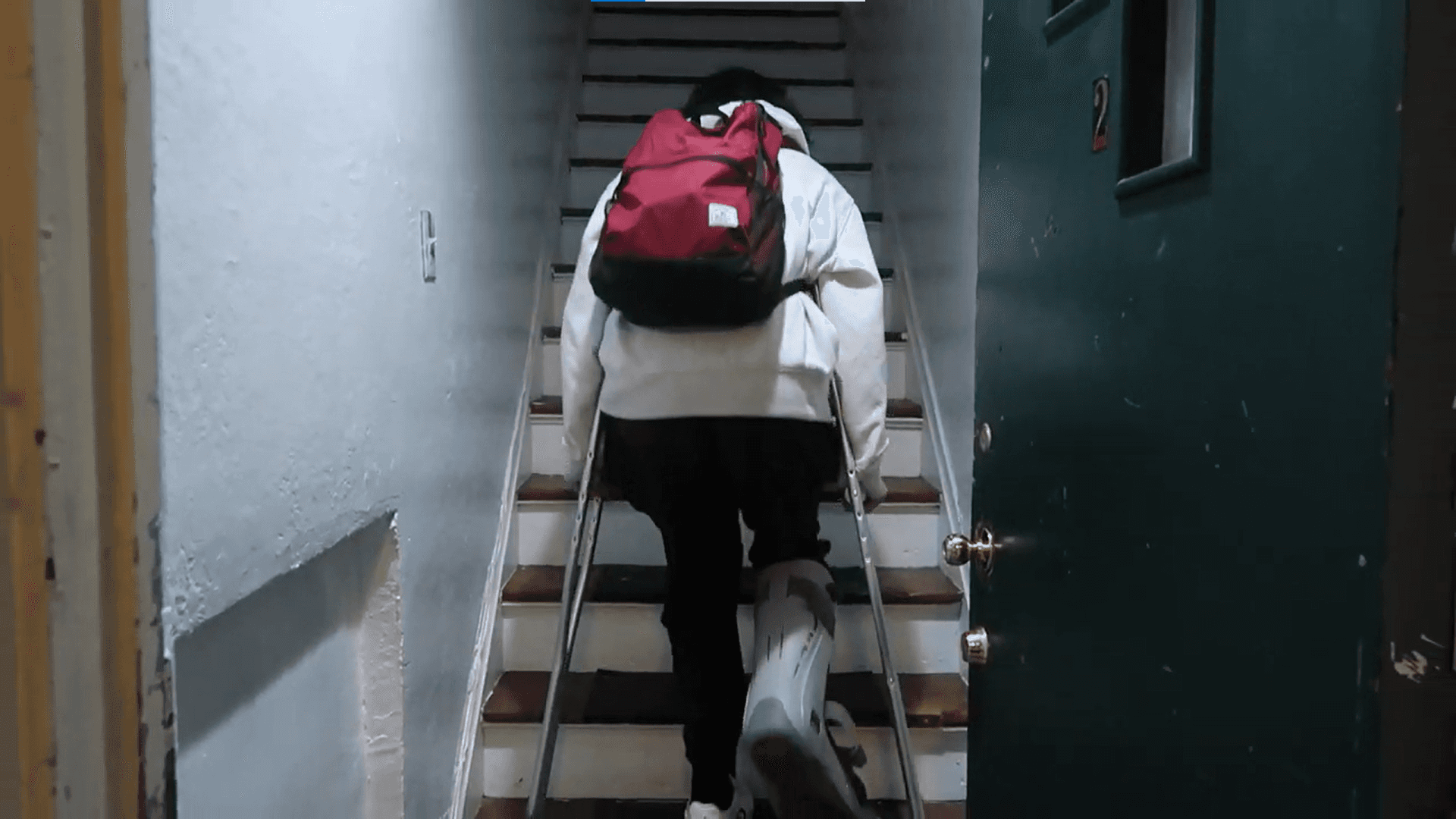
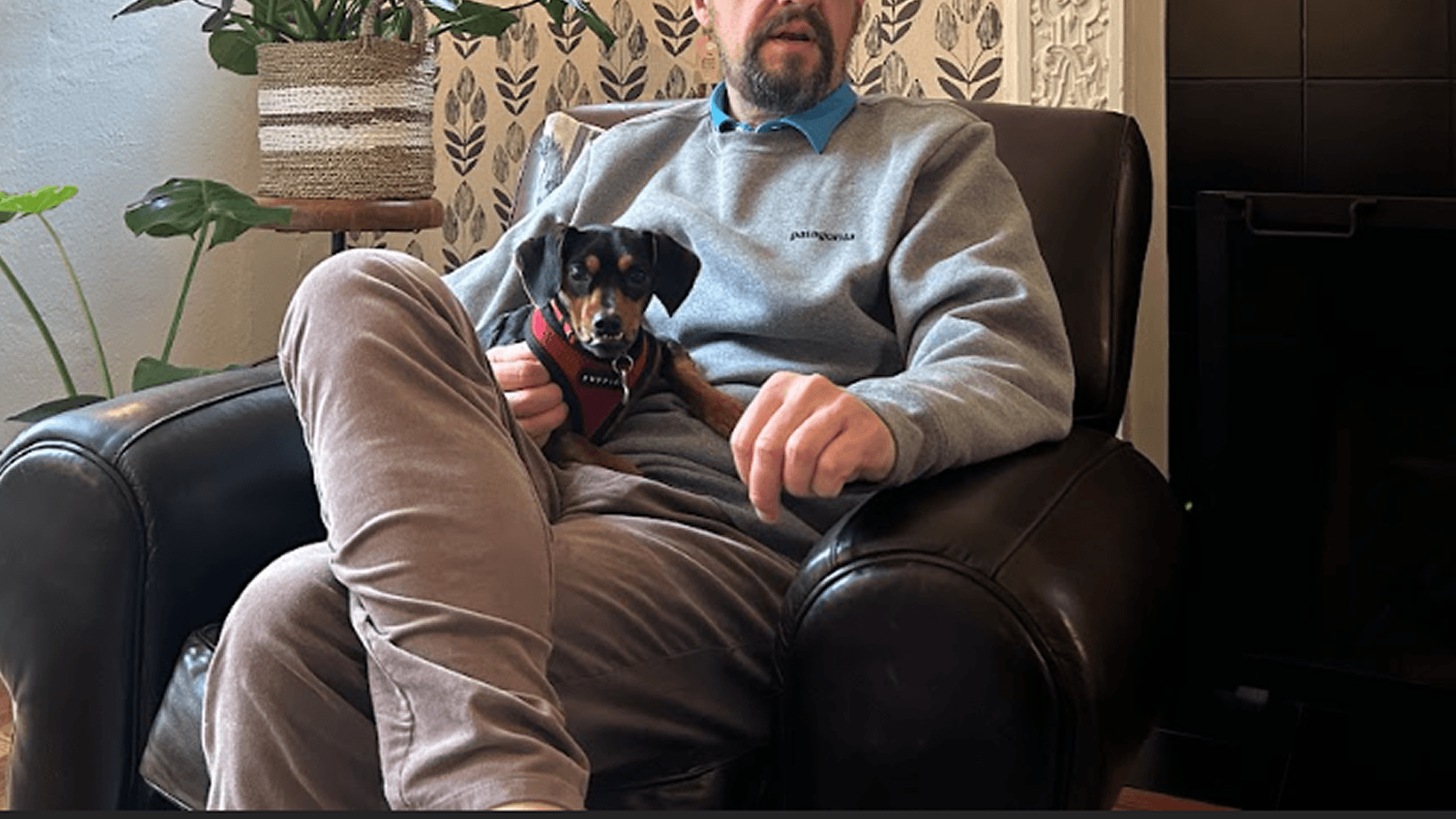
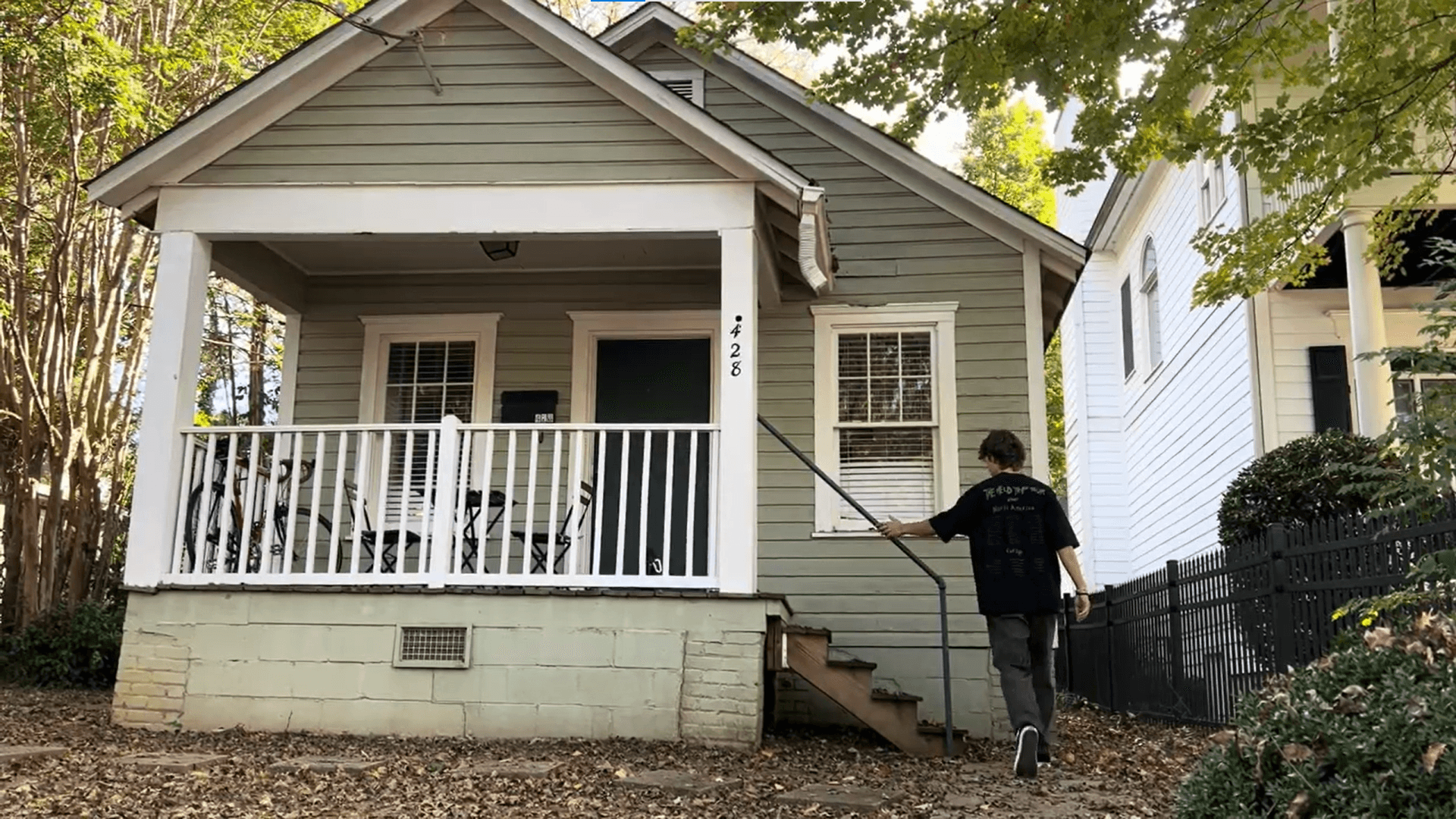
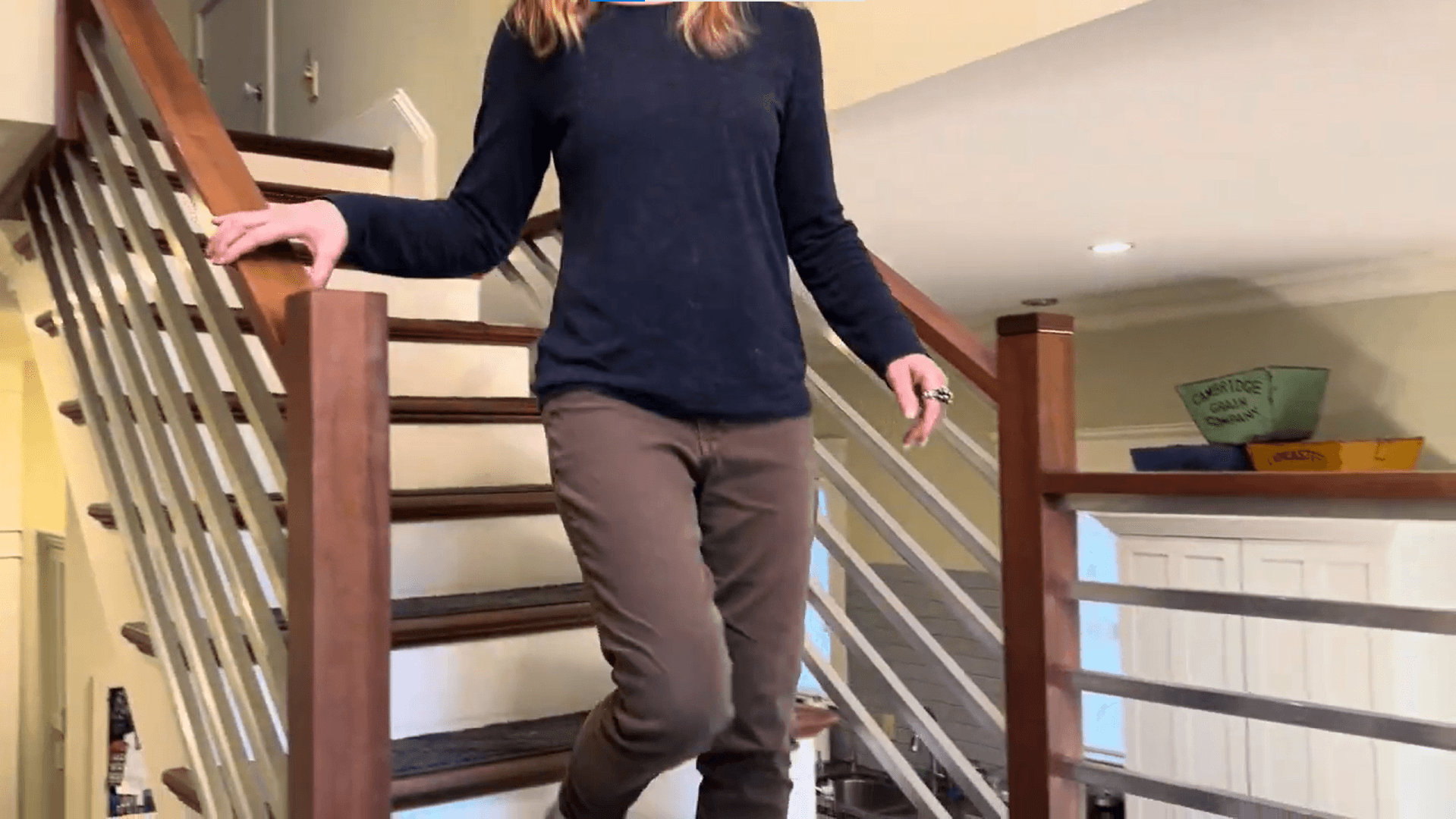
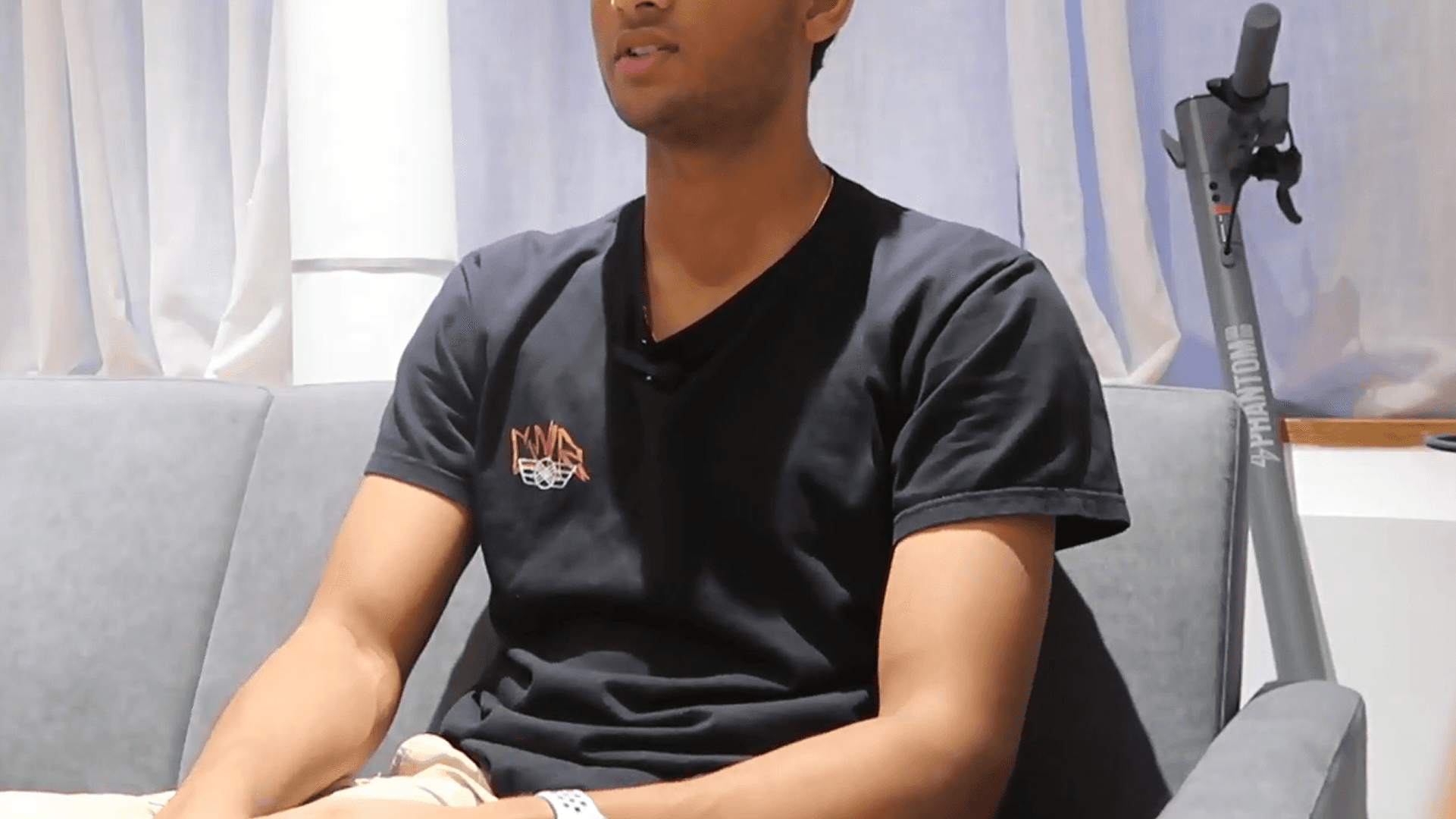
After recruiting 5 residents of historic homes, we interviewed them each in a semi-structured format in their historic homes. This enabled us to both gather answers to our burning questions and soak up informal observations of each user's experience as they guide us around their home.
FRAMEWORKS
Mind Map
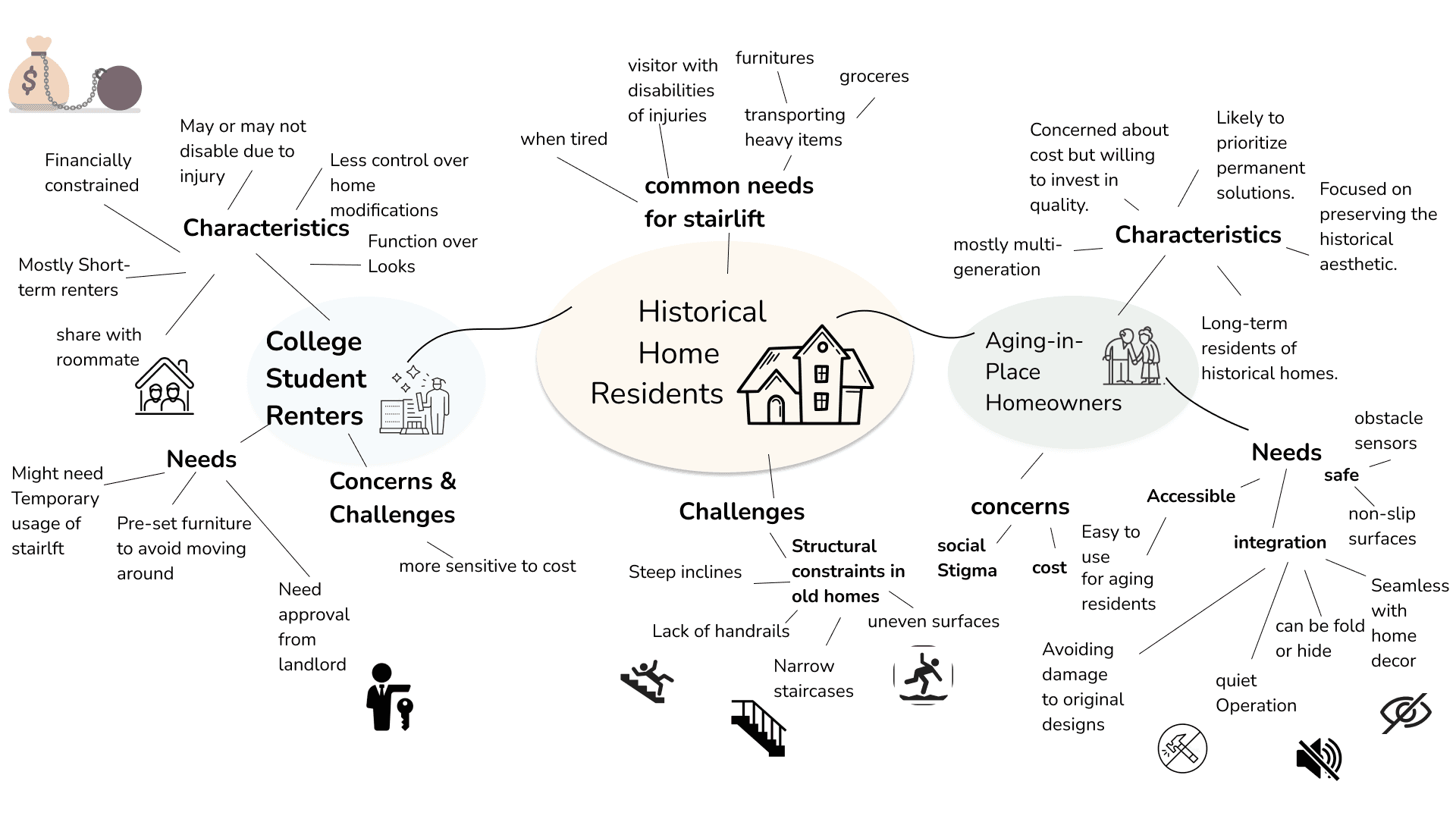
After interviewing users and observing their environments and user cases, we began to gain more of the context that frames the question we had planned to answer. To visually depict the hierarchy and relationships between concepts, we first sketched and later created a mind map of our preliminary insights.
FRAMEWORKS
Need Hierarchies
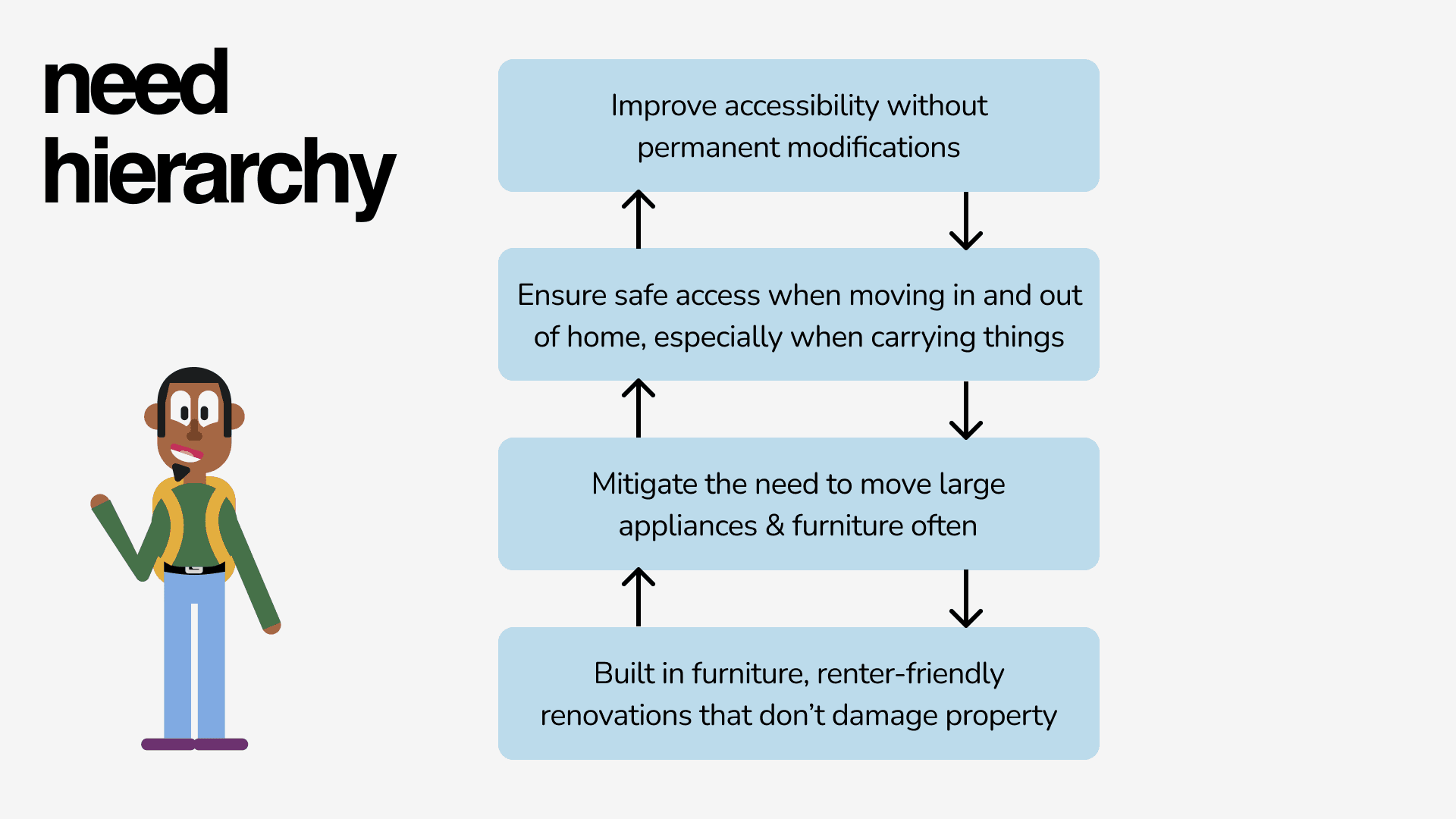
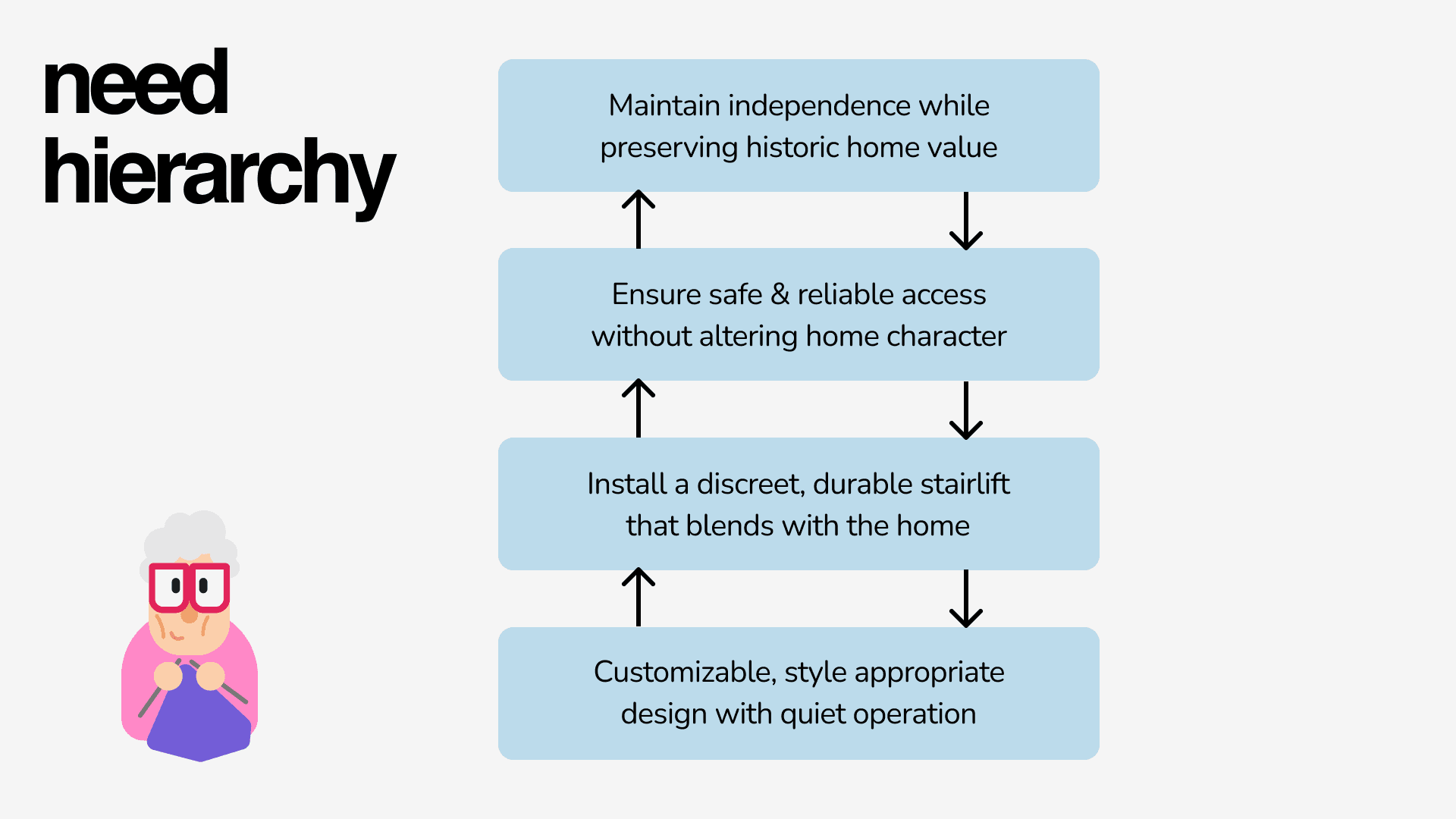
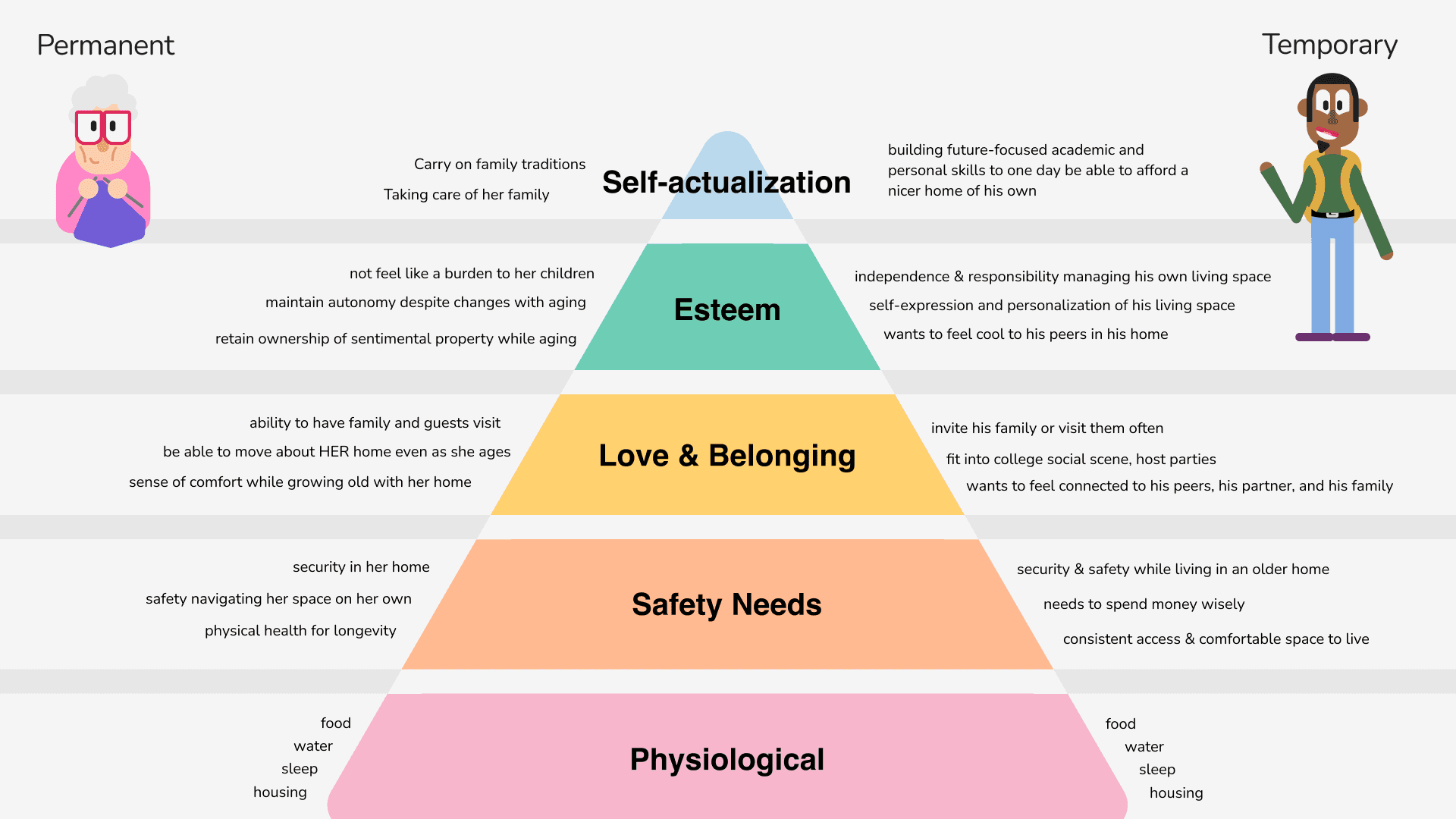
Next, need hierarchies were established for each user group according to their perceived actions, activities, and feelings that imply underlying needs for driving behavior. At varying scales and levels, the needs of each were analyzed to reveal summative insights that would be included in design recommendations.
FRAMEWORKS
How Might We
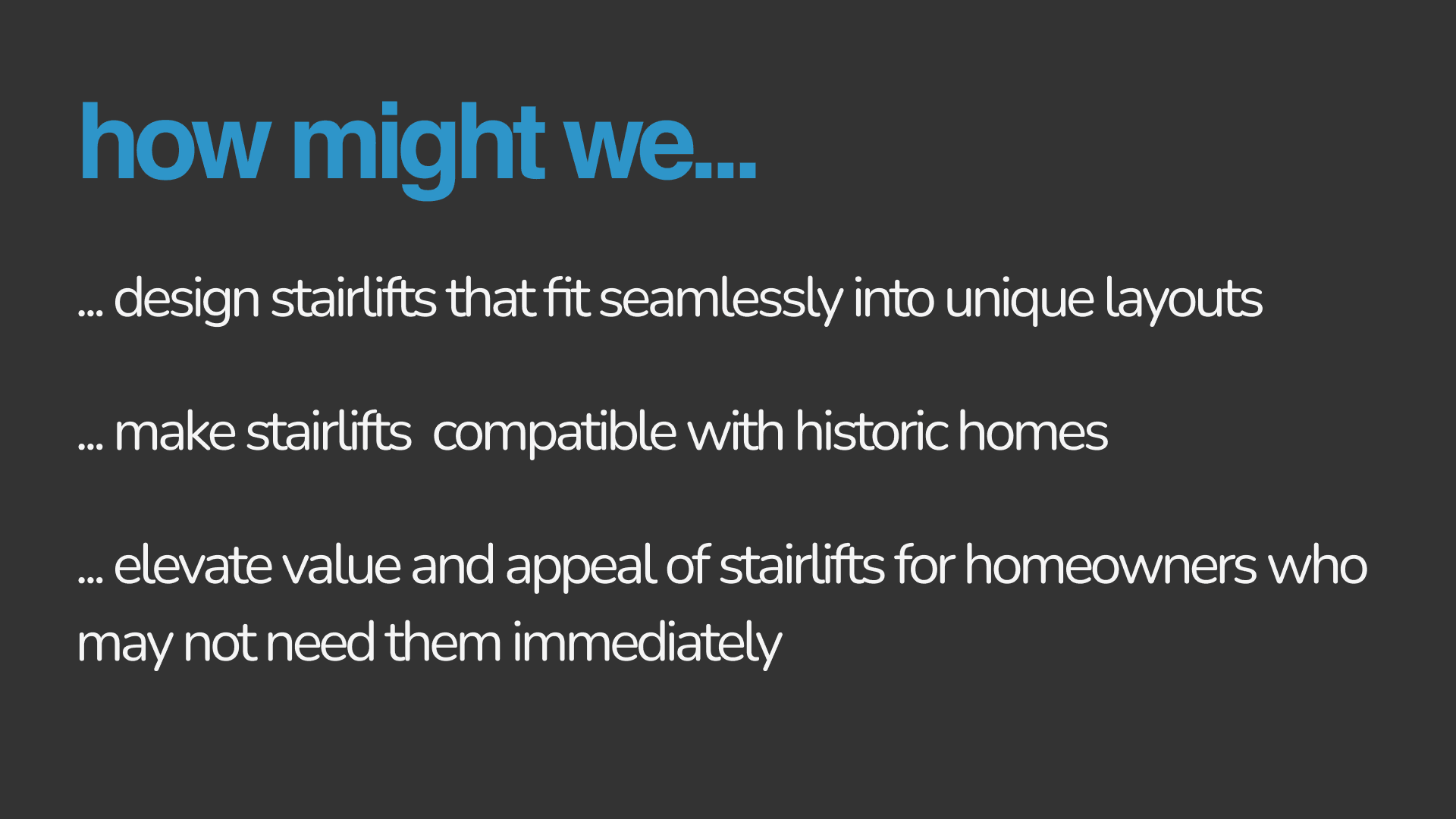
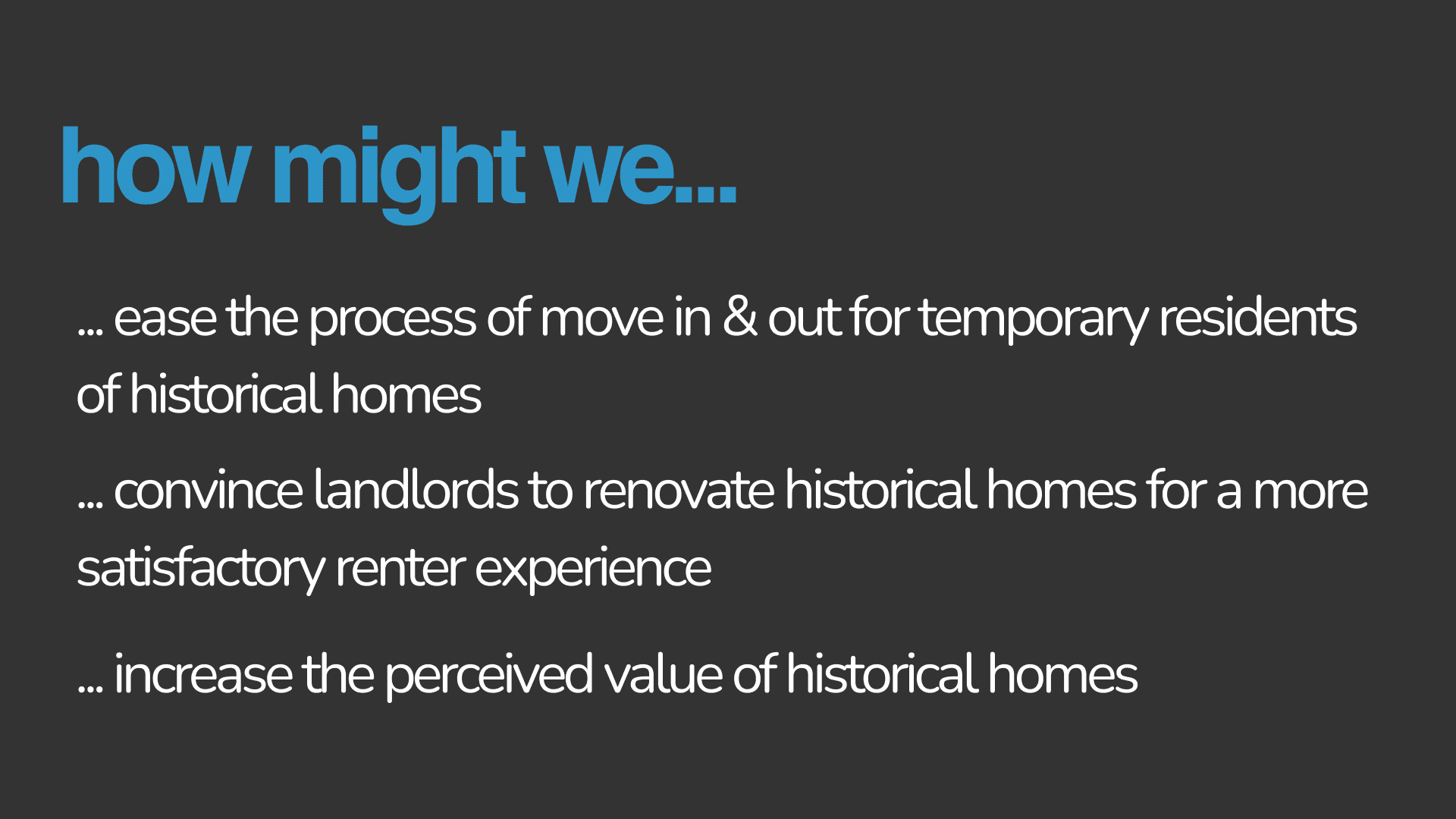
Insights were further grouped into actionable advice for solutions using the "How Might We" framework for previously identified needs.
SOLUTIONS
Ascending the Stairs of the Future
The final solutions focus on creating recommendations that are both user-centered and actionable, to create takeaways that aid future strategy for historical homes. Solutions aimed to meet users where they were at to create strategies that truly meet projected user needs.

DELIVERABLES
Strategy Recommendations
User Group Focuses
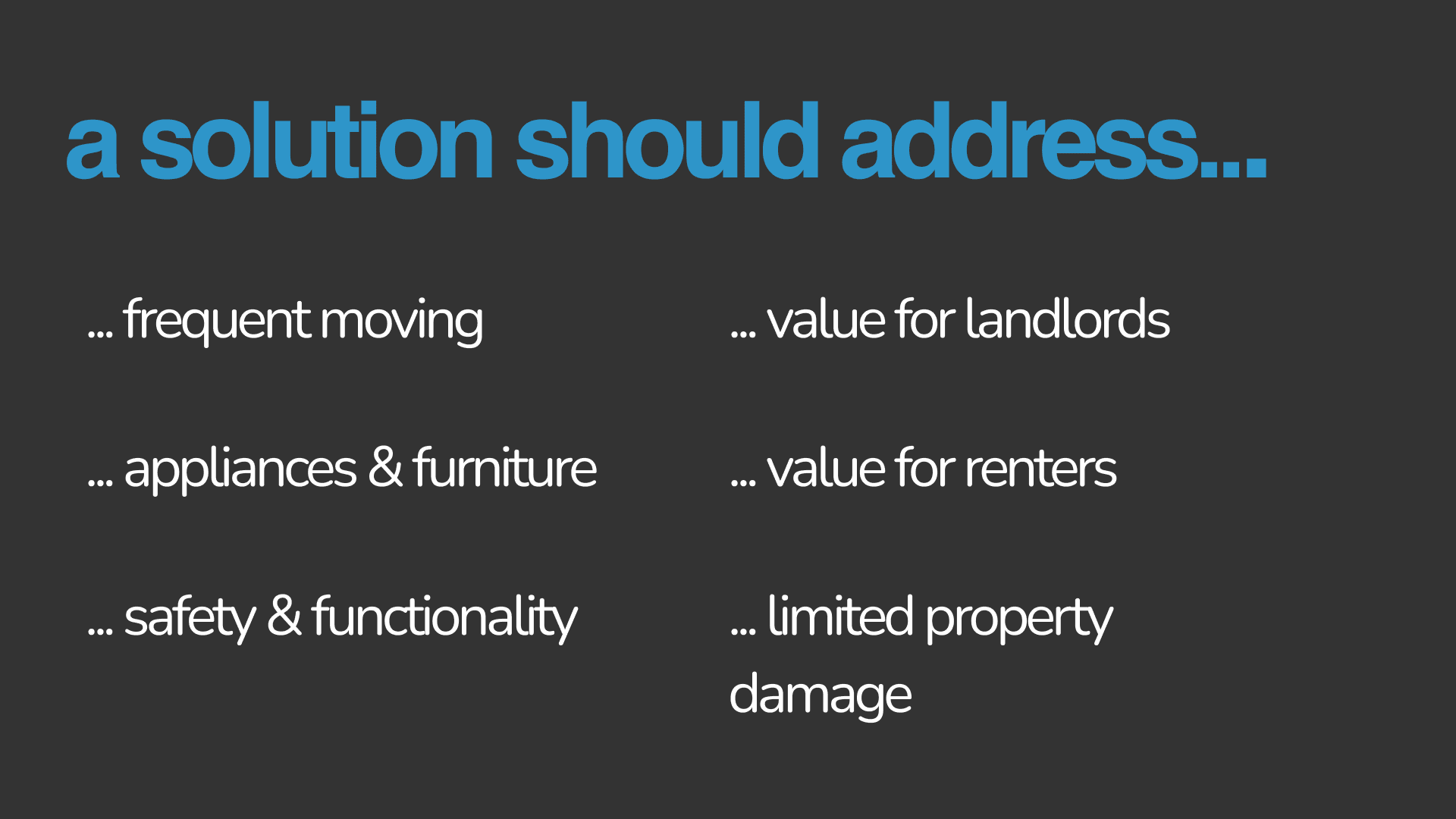
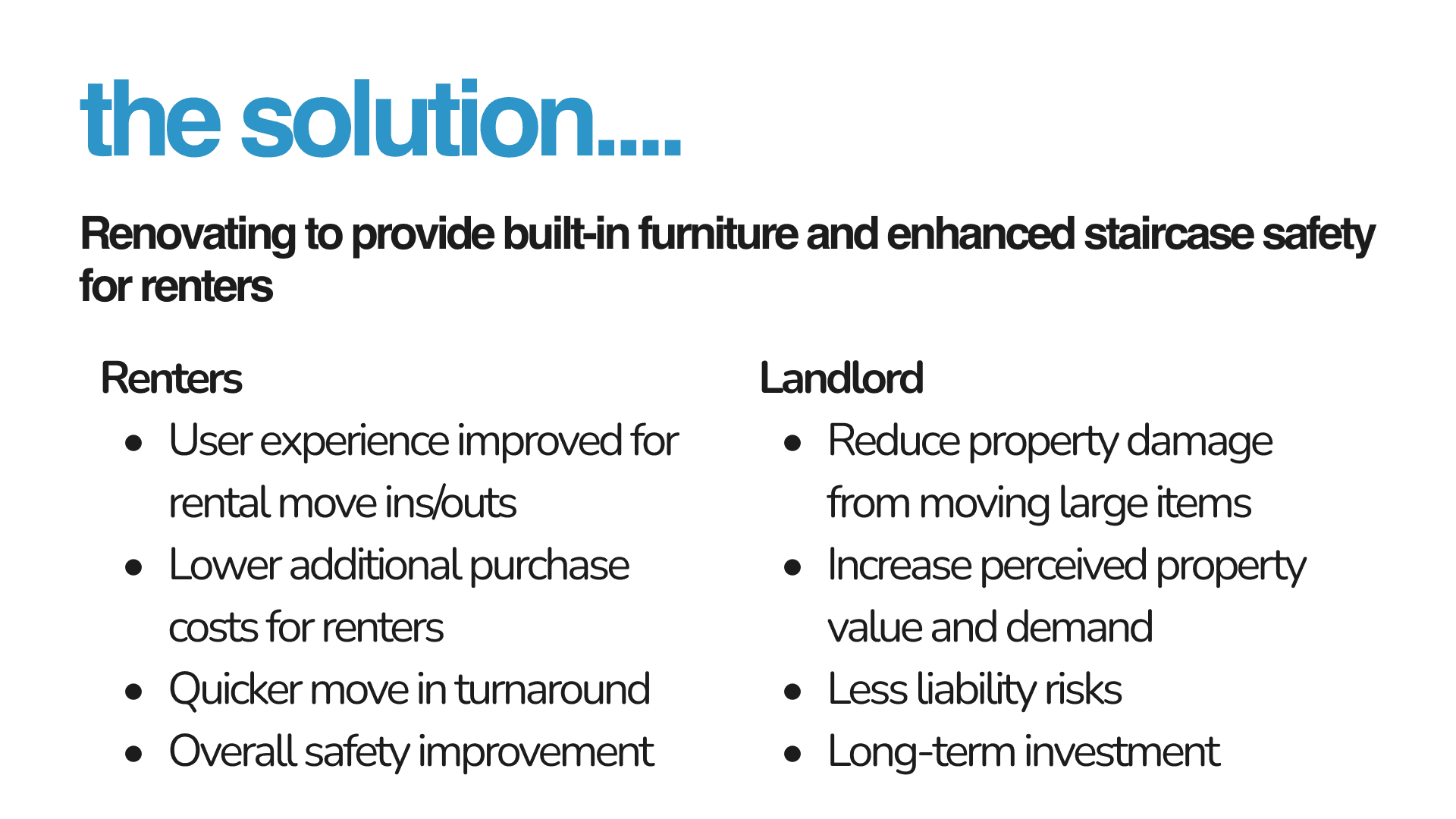
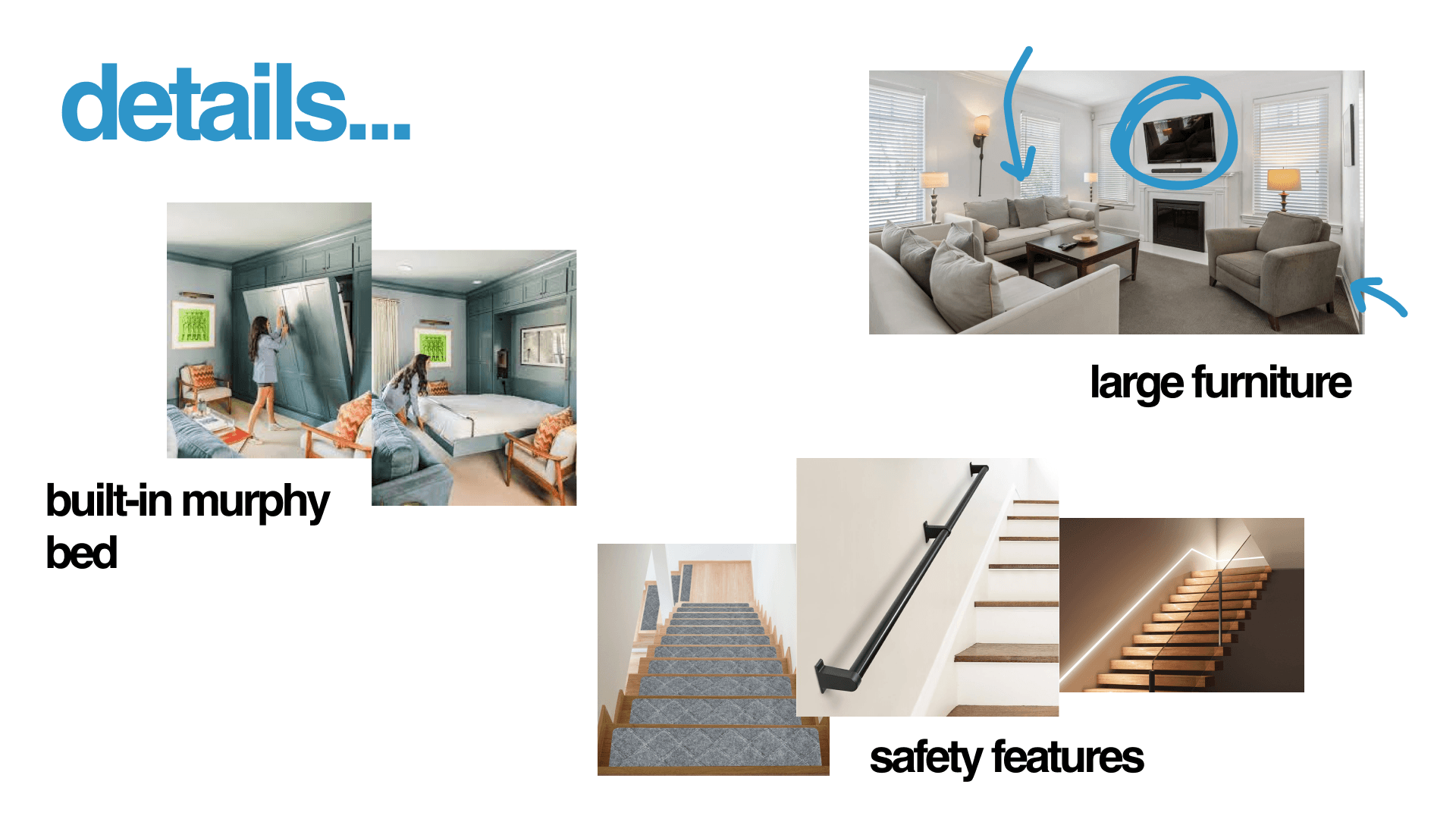
From our research insights, we identified unique factors that solutions should aim to address for each target user group, both renters and homeowners. Solutions addressed factors like frequent moving and limited property damage for renters, and space constraints and subtlety for homeowners.
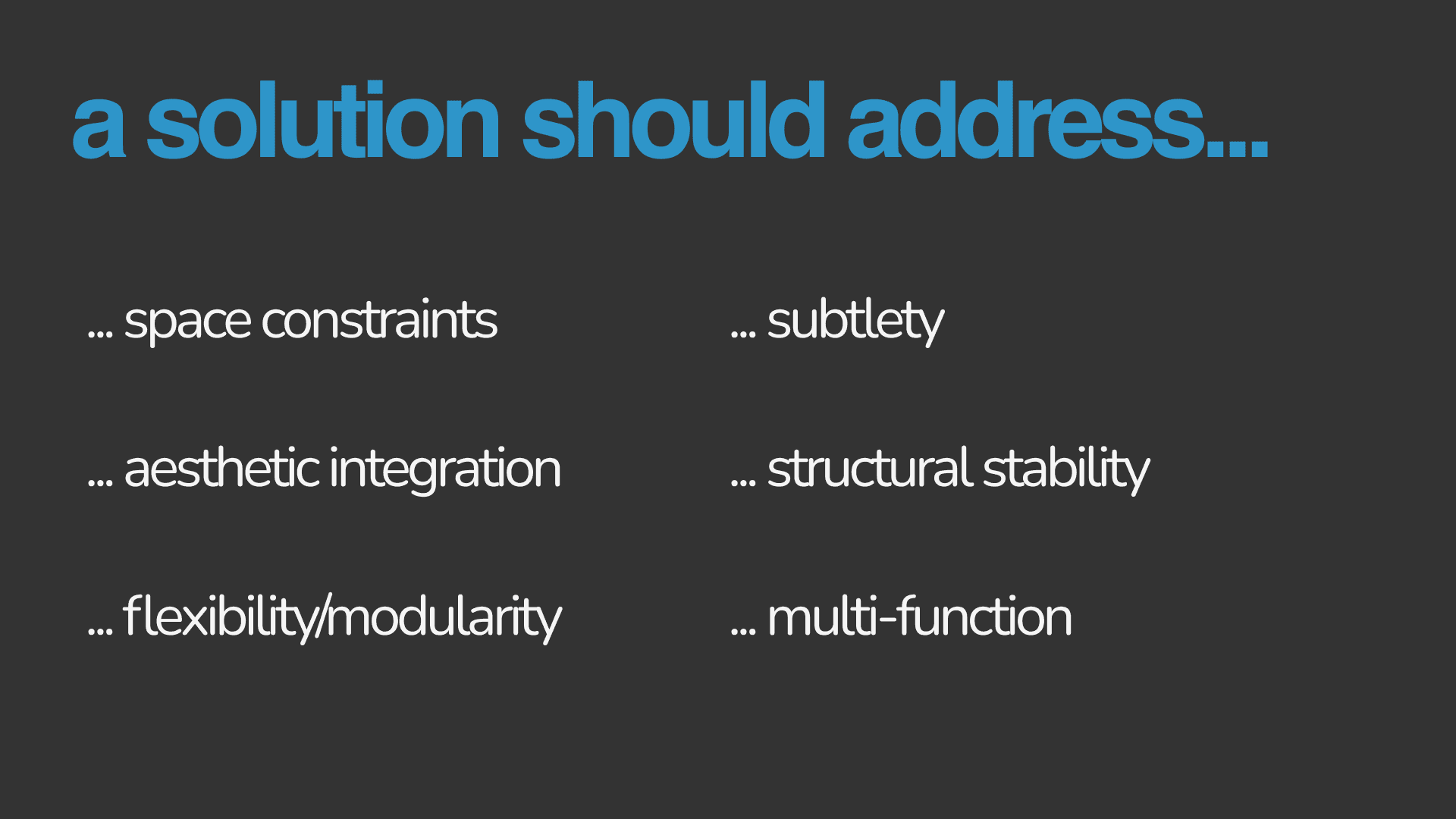
Solution Design
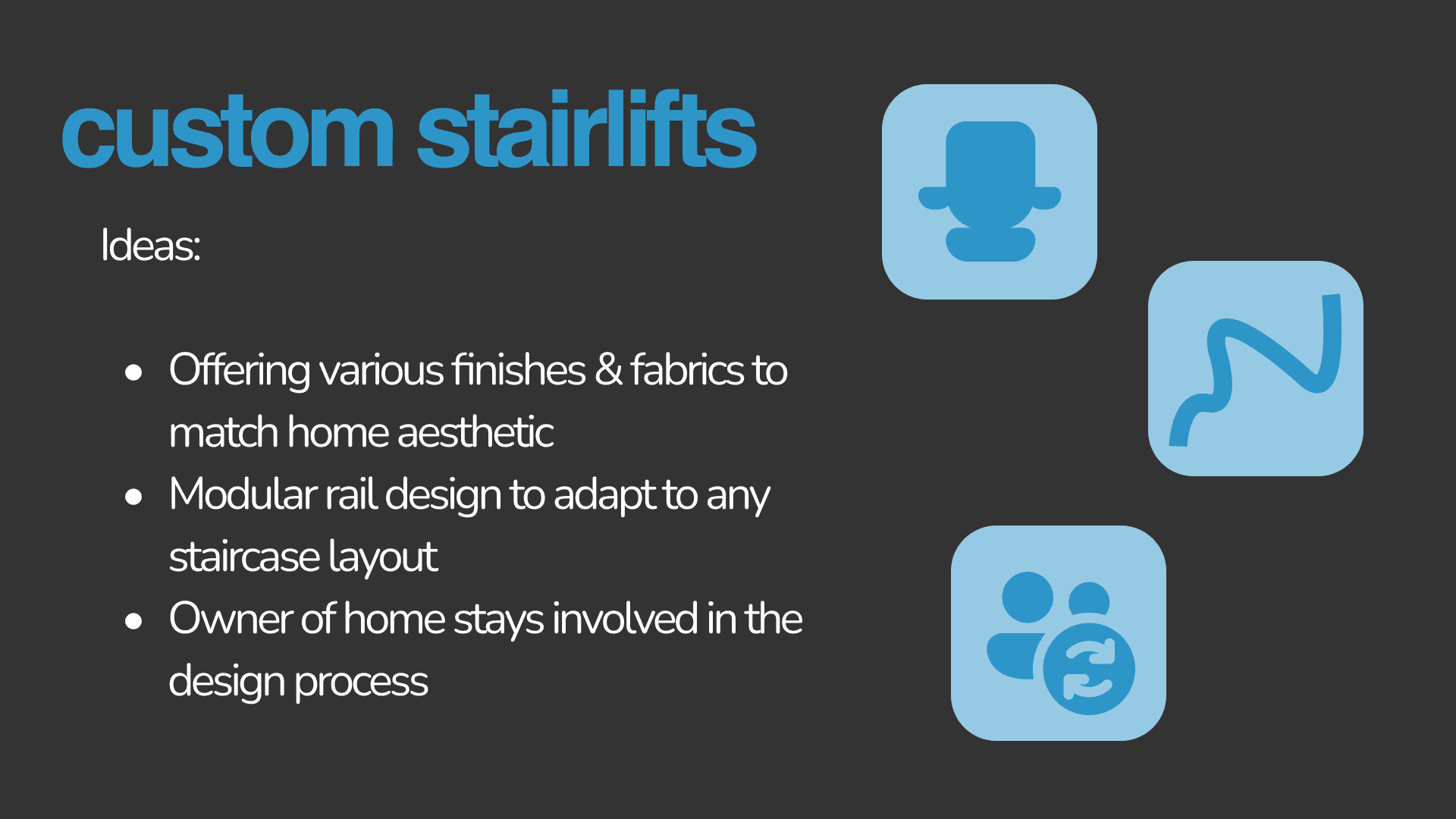
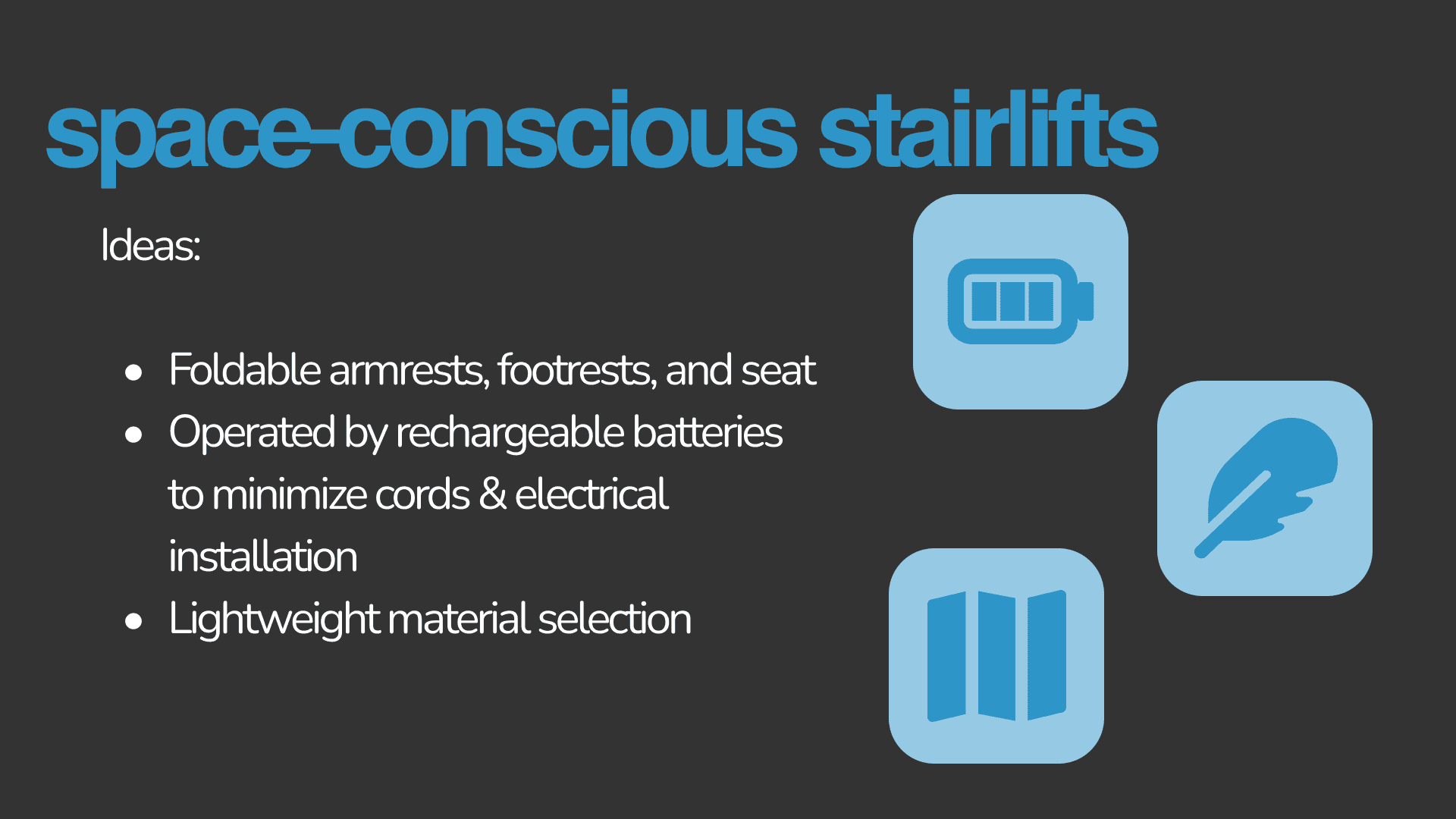
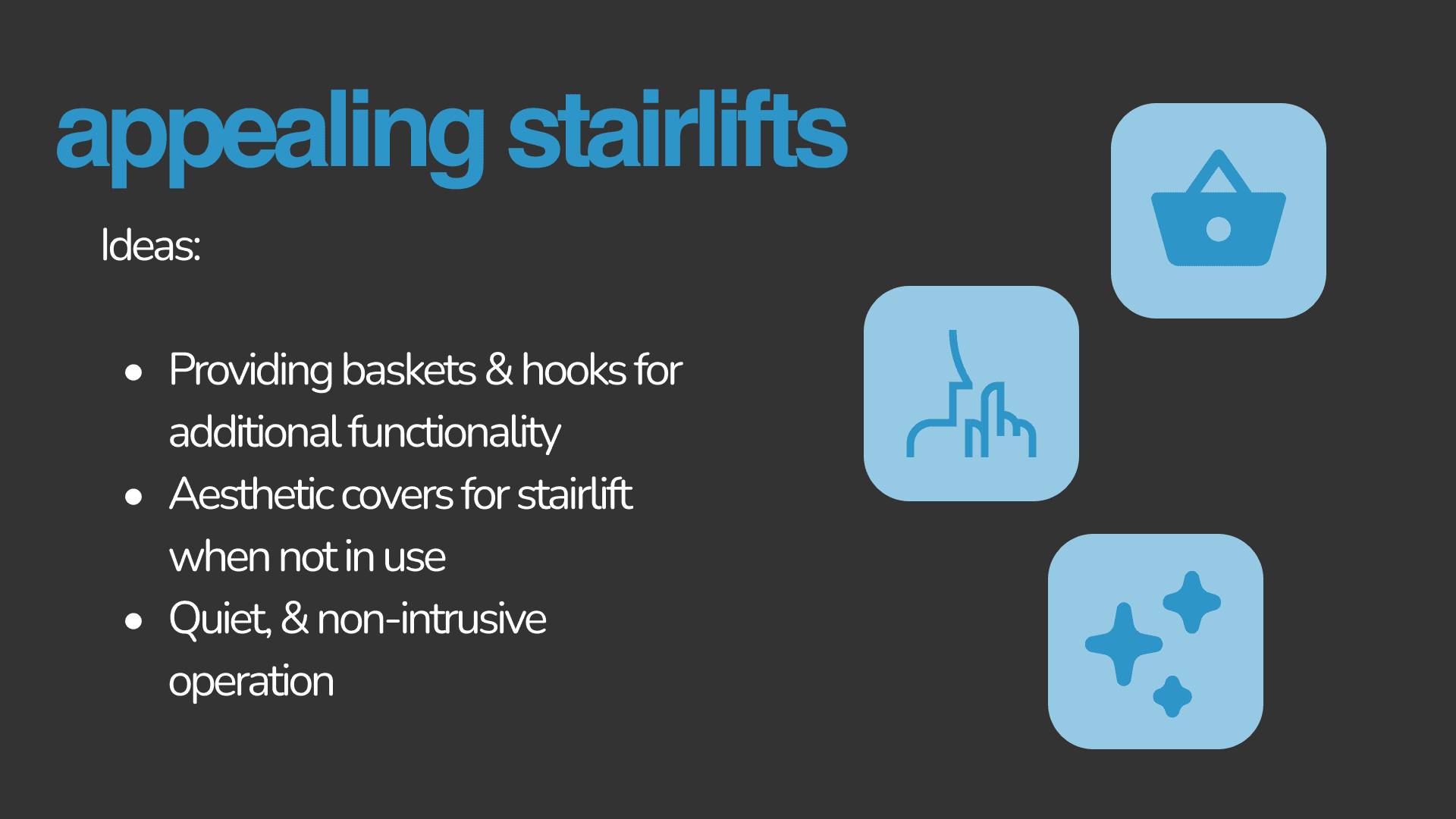
The design recommendations for solutions also gave actionable implementations for the firm to target each user group, and create ways for them to focus on the accessibility of historical homes.
THE END
Nuggets of Wisdom
This project allowed me to explore the multifaceted meaning of the word accessibility. For separate users and use cases, it flexes its definition to mean different things. For our renter user group, we identified that they need a solution that allows for flexibility and mobility, while homeowners instead need a subtle and helpful solution.